Transform Your Child's Writing with Expert Handwriting Rehabilitation
Handwriting is a skill that many of us take for granted. We write notes, letters, and lists without thinking much about it. However, for some children, handwriting can be a real challenge. If your child struggles with writing, you are not alone. Many parents face this issue. Fortunately, expert handwriting rehabilitation can help transform your child's writing skills.
In this post, we will explore what handwriting rehabilitation is, why it is important, and how you can support your child in improving their handwriting.
Understanding Handwriting Rehabilitation
Handwriting rehabilitation is a process designed to help children improve their writing skills. This can include everything from letter formation to spacing and overall legibility.
Many children face difficulties with handwriting due to various reasons, such as:
Fine motor skill challenges
Visual-motor integration issues
Lack of practice or exposure to writing
By focusing on these areas, handwriting rehabilitation can help children develop better writing habits and skills.
The Importance of Handwriting Skills
Handwriting is more than just putting pen to paper. It plays a crucial role in a child's education and development. Here are a few reasons why handwriting skills are important:
Academic Success: Good handwriting can impact a child's performance in school. If a child struggles to write legibly, it can affect their ability to express their thoughts and ideas.
Self-Confidence: Children who struggle with handwriting may feel embarrassed or frustrated. Improving their skills can boost their confidence and encourage them to participate more in class.
Communication Skills: Handwriting is a form of communication. Being able to write clearly helps children convey their messages effectively.
Motor Skills Development: Writing helps develop fine motor skills, which are essential for many daily tasks.
By investing time in handwriting rehabilitation, you are setting your child up for success in many areas of their life.
Signs Your Child May Need Handwriting Rehabilitation
As a parent, it is essential to be aware of the signs that may indicate your child needs handwriting rehabilitation. Here are some common indicators:
Illegible Writing: If you struggle to read your child's writing, it may be time to seek help.
Inconsistent Letter Formation: If your child writes some letters differently each time, this inconsistency can be a sign of difficulty.
Poor Spacing: If your child has trouble spacing letters and words, it can make their writing hard to read.
Fatigue or Discomfort: If your child complains of hand fatigue or discomfort while writing, it may indicate a need for support.
If you notice any of these signs, consider seeking expert help.
How to Support Your Child at Home
While expert rehabilitation is beneficial, there are also ways you can support your child at home. Here are some practical tips:
Create a Comfortable Writing Environment
Ensure your child has a quiet and comfortable space to write. A well-lit area with a proper desk and chair can make a big difference.
Use the Right Tools
Sometimes, the tools your child uses can impact their writing. Consider providing:
Pencil Grips: These can help children hold their writing instruments more comfortably.
Specialized Paper: Lined paper with larger spaces can help children with spacing issues.
Practice Regularly
Encourage your child to practice writing regularly. This can be through:
Journaling: Have them write about their day or their thoughts.
Creative Writing: Encourage them to write stories or poems.
Copying Exercises: Have them copy sentences or phrases to practice letter formation.
Make it Fun
Writing does not have to be a chore. Incorporate fun activities that involve writing, such as:
Writing Letters: Encourage your child to write letters to family members or friends.
Art Projects: Combine writing with art by having them create posters or cards.
Games: Use games that involve writing, such as word searches or crossword puzzles.
By making writing enjoyable, you can help your child develop a positive attitude toward it.
Seeking Professional Help
If you feel your child needs more support, consider seeking professional help. Occupational therapists and handwriting specialists can provide tailored programs to address your child's specific needs.
What to Expect from Professional Rehabilitation
When you seek professional help, here are some things you can expect:
Assessment: The specialist will assess your child's handwriting skills and identify areas for improvement.
Personalized Plan: They will create a customized plan that targets your child's specific challenges.
Regular Sessions: Your child may attend regular sessions to practice and improve their skills.
Progress Tracking: The specialist will track your child's progress and adjust the plan as needed.
Investing in professional handwriting rehabilitation can lead to significant improvements in your child's writing skills.
The Role of Schools in Handwriting Rehabilitation
Schools also play a vital role in supporting children's handwriting development. Here are some ways schools can help:
Curriculum Integration: Schools can integrate handwriting practice into the curriculum, ensuring all students have the opportunity to improve their skills.
Teacher Training: Educators should receive training on how to identify handwriting difficulties and support students effectively.
Resources: Schools can provide resources and tools for students who need extra help with handwriting.
By working together, parents and schools can create a supportive environment for children to thrive in their writing skills.
Encouraging a Growth Mindset
As your child works on improving their handwriting, it is essential to encourage a growth mindset. This means helping them understand that skills can be developed with practice and effort.
Tips for Fostering a Growth Mindset
Celebrate Small Wins: Acknowledge and celebrate your child's progress, no matter how small.
Encourage Persistence: Remind your child that it is okay to make mistakes and that persistence is key to improvement.
Model a Positive Attitude: Show your child that you value effort and learning, even when things are challenging.
By fostering a growth mindset, you can help your child approach handwriting with confidence and determination.
The Long-Term Benefits of Improved Handwriting
Investing time and effort into handwriting rehabilitation can lead to long-term benefits for your child. Here are some of the positive outcomes you can expect:
Enhanced Academic Performance: Improved handwriting can lead to better grades and a more positive school experience.
Increased Confidence: As your child becomes more skilled at writing, their self-esteem will grow.
Better Communication Skills: Clear writing will help your child express their thoughts and ideas more effectively.
Lifelong Skills: Good handwriting is a skill that will serve your child well throughout their life, in both personal and professional settings.
By focusing on handwriting rehabilitation, you are giving your child the tools they need to succeed.
Final Thoughts on Handwriting Rehabilitation
Transforming your child's writing skills is a journey that requires patience, support, and practice. By understanding the importance of handwriting, recognizing the signs of difficulty, and seeking both home and professional support, you can help your child thrive.
Remember, every child is unique, and progress may take time. Celebrate the small victories along the way and encourage your child to keep trying. With the right support, your child can develop strong handwriting skills that will benefit them for years to come.
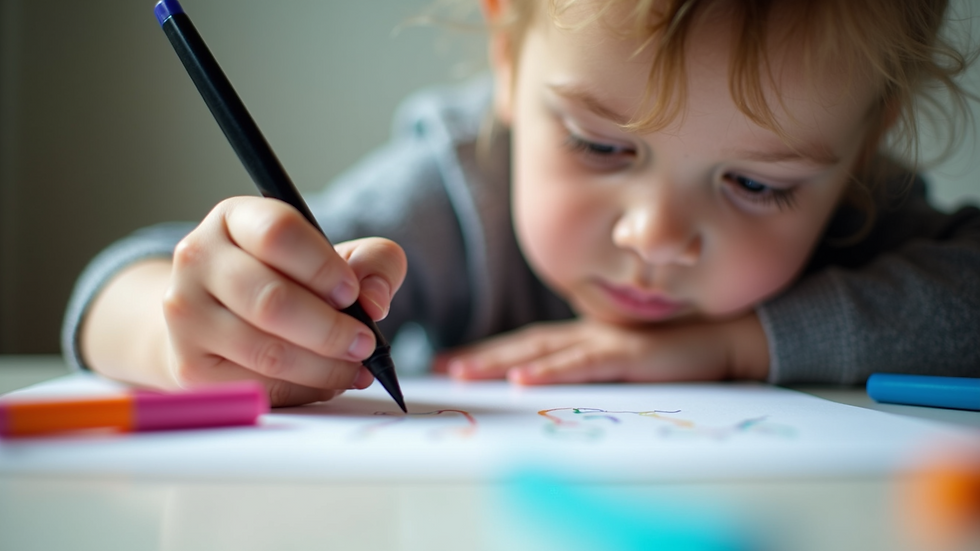
By investing in your child's handwriting rehabilitation, you are investing in their future. Together, you can help them write their own success story.


Comments